

When you are at home and the telltale signs of a heart attack or stroke happen—maybe it’s a serious spill from a bicycle or a ladder while cleaning the gutters—at some point, you could be one of the 60 million EMS calls generated in the United States each year. If it’s your first experience with emergency medical services (EMS), you may not know what to expect or understand the importance of the Chain of Survival that must be activated to ensure you or your loved one gets the help you need and the best outcome possible.
What Is EMS?
EMS is there when you face a sudden health crisis. EMS is a network of trained professionals—paramedics, EMTs, dispatchers and more ready to deliver rapid, life-saving care and get you safely to the hospital if disaster strikes. Whether you’re facing chest pain, a stroke or an accident on icy sidewalks, dialing 911 activates a powerful team designed to assess, treat and transport you quickly and safely.
EMS isn’t just ambulances and sirens. The system extends to air medical services, search and rescue teams, fire departments and even public education about handling emergencies—making EMS a robust safety net for you and your loved ones.
The Chain of Survival
People like to be prepared for every contingency. That’s why we check our tires before a road trip or make sure our homeowner’s insurance is current. It helps us ward off disasters should something unexpected happen. There is also a strategy for surviving health emergencies: the Chain of Survival. Each “link” in this chain is crucial—and the stronger each link, the better your odds of bouncing back after a medical emergency.
- Spot the Emergency Early and Call for Help: Recognize the warning signs—sudden collapse, no pulse, or someone not breathing—and don’t hesitate: call 911. Fast action here is mandatory.
- Take Immediate Action: High-quality CPR, stopping excessive bleeding, or keeping blood flowing to vital organs like the brain; the sooner you begin interventions, the better the outcome.
- Advanced Care by EMS: When EMS arrives, they bring advanced tools, medications, and expertise.
- Post-Emergency Care: Once stabilized, ongoing hospital care ensures you recover as fully as possible.
Tips to Emergency-Proof Your Family
Learn CPR, Stop the Bleed, and AED Use: Consider taking a class this season—knowing what to do in those first minutes can save a life.
Have Emergency Numbers Handy: Program 911 and local EMS contacts into every family member’s phone.
Keep First Aid Supplies Stocked: Just as you’d have batteries and flashlights ready for a storm, ensure your first aid kit is up to date and accessible.
What Happens When You Call 911?
When you call 911 during a medical emergency, the dispatcher will ask for key details—your location, what happened and the patient’s condition—to quickly decide what help is needed. Based on your responses, dispatchers send the appropriate EMS resources, such as a basic or advanced life support team, making sure the right professionals and equipment are on the way. Once EMS arrive, they’ll introduce themselves, assess the situation, check vital signs and begin immediate care like CPR or bleeding control if necessary. EMS may provide basic support—such as oxygen or bandaging—or advanced treatments like IV medications or airway management. If hospital care is needed, they’ll choose the best way to transport you and communicate with the hospital to ensure staff are ready for your arrival and a smooth handoff for ongoing treatment.
Emergency Medical Services: The Dedicated Professionals
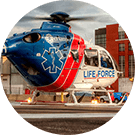
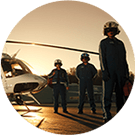
A range of first responders may arrive at the scene, depending on your location, local services, and EMS authority agreements. From emergency medical responders—often found in rural areas and trained in first aid—to paramedics qualified for advanced interventions, every responder is focused on delivering the best care for your needs. Sometimes your condition requires a higher level of care than the initial provider can offer; in these cases, air ambulance EMS teams may be called. Specially trained flight paramedics and flight nurses, experienced in prehospital medicine, deliver ICU-level care right at your location.
EMS services use a variety of vehicles, from ground ambulances to fixed-wing airplanes. Most transport occurs in ground ambulances equipped for critically ill or injured patients. When time is critical or ground transport isn’t possible, air ambulances are deployed. Helicopters are used when terrain or distance is a barrier, and fixed-wing aircraft transport patients over longer distances or help non-critical patients return home for ongoing care in their communities
Knowing what to expect when you call 911 can be reassuring. It is also reassuring to know that you will not receive a bill for your air ambulance care. When you are a member of AirMedCare Network, and only when treated by our network of providers, there is never a concern about out-of-pocket costs for your treatment. Whether it’s emergency transportation or a non-emergency flight close to home to continue medical care, AMCN can provide additional peace of mind. Learn more about our membership programs.
Key Points about Emergency Medical Services (EMS)
- Emergency Medical Services (EMS) in the U.S. respond to around 60 million calls each year, providing critical support during health crises like heart attacks, strokes, and accidents.
- EMS includes paramedics, EMTs, dispatchers, air medical services, search and rescue teams, fire departments, and public education initiatives, forming a comprehensive safety network.
- The Chain of Survival emphasizes early recognition of emergencies, immediate intervention, advanced EMS care, and thorough post-emergency hospital treatment to improve survival outcomes.
- Preparedness tips for families include learning CPR, Stop the Bleed, and AED use, keeping emergency numbers handy, and maintaining a well-stocked first aid kit.
When 911 is called, dispatchers gather crucial information to send the correct EMS resources, and responders deliver rapid assessment, treatment, and transportation. - EMS professionals range from basic medical responders to advanced paramedics and flight nurses, utilizing ground ambulances, helicopters, and fixed-wing aircraft for patient transport.
- AirMedCare Network members receive air ambulance services with no out-of-pocket costs only when treated by network providers, offering additional peace of mind and coverage for emergency transportation.

What are the advantages of using air medical transportation?
An air ambulance is a specialized airplane or helicopter that transports sick or injured individuals to the hospital quickly. It is equipped with medical equipment

Navigating Common Health Issues in Rural Areas
Rural areas in the United States are home to about 14% to 19% (1) of the population, which means millions of people live outside big
Breaking Down Air Medical Transport Cost and Membership
When people hear about the price of an air medical transport cost, it’s common to experience sticker shock. A single air ambulance call can cost