
.jpg?language=en-US)
What are the advantages of using air medical transportation?
An air ambulance is a specialized airplane or helicopter that transports sick or injured individuals to the hospital quickly. It is equipped with medical equipment and staffed by highly trained medical crews to assist patients during the flight. Air ambulances are utilized when ground ambulances are too slow or cannot provide the appropriate level of care for the patient’s needs. They ensure that patients reach the right care for their needs as quickly as possible.
What are the different types of emergency medical transportation?
There are several ways to transport patients in an emergency. Ground ambulances are common for short trips, but they can be delayed by traffic or poor road conditions. In rural communities, these are usually staffed by Emergency Medical Technicians or even Emergency Medical Responders, who are trained to the basic level of prehospital emergency care standards.
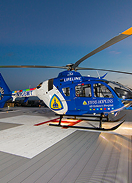
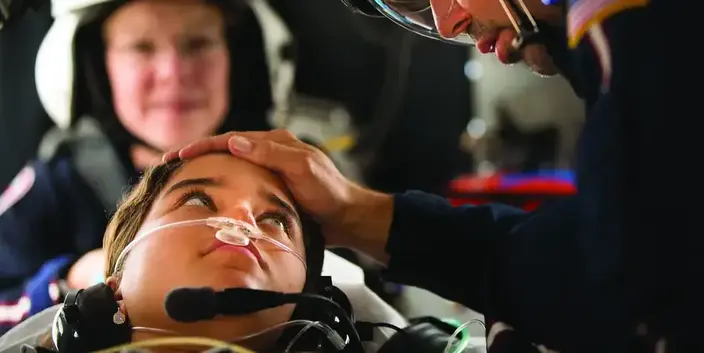
Helicopter ambulances are ideal for short flights, such as transporting patients from an accident scene to a hospital. They can land in places where cars cannot easily access. Medical helicopters are often referred to as flying ICUs because they deliver ICU-level care and crews directly to the patient and take over care from lower-level prehospital providers, like Basic EMTs or Firefighters. They can perform many additional medical interventions that help patients achieve better outcomes from their illness or injury.
Airplanes, known as fixed-wing aircraft, are used for longer trips and have more space for medical equipment needed for extended care during flight. Each type of transport helps patients reach appropriate care quickly. Air ambulances can operate in emergency medical situations when the distance to the appropriate medical facility is too far for a helicopter air ambulance. They also conduct long-distance flights in non-emergency situations when medical care is required during transportation.
What are the specific benefits to a person using air medical transportation?
Air ambulances save valuable time in emergencies. Often, the time to care can be a critical factor in determining a person’s outcome in a medical emergency. Air ambulances fly over traffic, obstacles like lakes or mountains, or simply cover long distances to reach hospitals quickly. Patients receive care during the flight, as the crew includes specially trained nurses and paramedics, along with advanced equipment to keep patients stable. Membership programs, such as AirMedCare Network (AMCN), help families avoid large bills for these services. Members do not pay additional money beyond their membership dues for medical flights provided only by AMCN providers, allowing them to focus on recovery.
What are some reasons you might need to use air medical transportation?
You might need an air ambulance after a serious car accident, work-related injury, or life-threatening illness. People in rural areas often use air ambulances because local hospitals may not provide the specialized care required for their medical needs. Trauma centers, burn centers, pediatric hospitals, and other specialty facilities may be a significant distance from rural residents. Flying to a more appropriate specialty hospital can save lives and provide rural residents with ICU-level care at the scene of their accident or injury.
It is a good idea to investigate membership options for air ambulance care in your area, as this treatment can be expensive and the costs may not be affordable, even with insurance. AirMedCare Network (AMCN) offers memberships in 38 states and can provide financial protection for members, but only when treated by AMCN crews.
Key Points About Advantages of Air Medical Transport
- Air ambulances, including helicopters and airplanes, provide rapid medical transport for critically ill or injured patients when ground ambulances are too slow or can’t reach the scene.
- Helicopter ambulances, known as flying ICUs, deliver intensive care directly to patients at accident sites and can land where cars can’t go.
- Fixed-wing air ambulances are used for longer distances and can carry more medical equipment for extended in-flight care.
- Air medical transportation saves lives by quickly moving patients over obstacles like traffic, lakes, or mountains to specialized hospitals, with care provided during flight.
- Membership programs like AirMedCare Network help families avoid unexpected costs by covering air ambulance flights only provided by participating service providers.
Frequently Asked Questions:
If an AirMedCare Network Provider does not transport you, you will be responsible for payment. Our membership program only covers transports provided by our affiliates.
There is no limit to the number of transports a member may take in a year. Each transport is handled the same way and must be an emergent or time-sensitive transport as determined by a physician (or other appropriate provider) or first responder unaffiliated with AMCN.
With an AirMedCare Network membership, any person or persons who reside under one (residential) roof are covered. In the event we have a member who lives in a duplex or apartment complex, we designate the primary member’s residence/address— that is considered the “one roof”. Undergraduate college students can be covered under their parent’s membership as well as anyone previously residing in the household who is then moved to a permanent care facility.