
Snake bites are on the rise across the country, but California has seen the bulk of these bites and experienced an unusually deadly season. As the weather warms in spring, snakes become more active after their winter brumation (a hibernation-like state), and sightings always increase seasonally. Unfortunately, snake season sightings and bites are increasing within our REACH Air Medical Services service area in remote locations where access to CroFab- the antivenom used to help snake bite victims- is not readily available. If you are outdoors this spring and summer, please use caution in areas where snakes are frequently found, and follow these safety tips to avoid bites and be better prepared if one occurs.
How to Avoid Snake Bites
People are usually bitten on their extremities due to how we interact with our environment. Shuffling through brush or working in the garden brings our limbs into contact with snakes’ territory most frequently. Heavy leather footwear or gloves can protect against envenomation. The old adage, “Never put your hands where your eyes haven’t been.”, is a good piece of advice to avoid any kind of envenomation.
Unfortunately, for a recent snake bite victim in California, a tumble into brush brought them into contact with an unknown venomous snake. While not all contact can be prevented, snakes generally avoid contact with larger animals they cannot consume. They will warn of their presence with hissing, rattling or simply by trying to slither off. If you hear the rattle or hiss, stop moving, until you have visualized where the snake is and can move away, and not accidentally toward, the snake.
How to identify the snake species that bit you
CroFab is the most common antivenom used for snake bite victims in the United States, but it is limited to five species of snakes and their unique toxic blend of venom compounds. While it is responsible for saving the lives of countless snake bite victims, it doesn’t work equally well on all envenomations. This is why identifying the snake that caused the bite can be important- but only if it is safe to do so.
For rattlesnakes, look near the rattle for identification markings. Black and white stripes before the rattle indicate a western Diamondback or a Mojave Rattlesnake – both of which are present in the same habitats.
The scale pattern can also distinguish between species – the Diamondback has distinct diamond shapes where the Mojave has outlined brown splotches. Color is a good indicator of species as well as the gloss of the snake’s skin. Lastly, how does it move? Sidewinders are common in the desert southwest of California and move from their midsection.
IDing the snake can help ensure you get the right antivenom for the species.
What to do after being bitten by a venomous snake
Whenever a medical emergency happens, activate the 911 emergency system as soon as it is safe to do so. This mobilizes appropriate care faster, which is important in an envenomation or any other medical emergency.
Keep the victim calm and the wound below heart level to slow the spread of the venom. Do not attempt to suck out the venom! It is largely ineffective and can even cause a secondary envenomation. Applying ice, a tourniquet or cutting the bite with a knife are also not effective and can do more harm than good.
Each species of snake has a unique toxin in their venom that has different effects on the human body. If necessary, respond appropriately to the symptoms of the snake venom until medical professionals arrive. This can include lightly bandaging the wound, turning the unconscious patient to their left side, and in some instances performing rescue breaths or CPR, because some snake venom causes paralysis of the muscles used for breathing; Coral Snakes and Mojave Rattlesnakes for example.
Being prepared for snake bites
Every year in the U.S., the Centers for Disease Control estimates 7,000-8,000 people are envenomated by snakes with an average of five fatalities. Due to unseasonable heat causing an early end to their brumation in California, snakes have bitten 77 people so far this season and caused three deaths. While not entirely avoidable, taking precautions against snake contacts and being prepared with the right information on how to act after a bite has happened can save lives and mitigate damage to the victims.
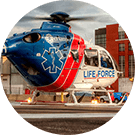
Especially if you live or recreate in rural areas, far from facilities that carry the CroFab antivenom, REACH Air Medical Services, CalStar, CalOre Life Flight, SIERRA LIFEFLIGHT and Guardian Flight may be utilized in California to get patients to the right level of care for their needs by air ambulance quickly. Please learn more about our network of providers in California and how we can help you be better financially prepared for any serious injury requiring air ambulance care on our website.
Key Takeaways for Snake Bite Season
- Snake bites are increasing nationwide, with California seeing a disproportionately high number and an unusually deadly season.
- As spring temperatures rise, snakes become more active after brumation, driving predictable seasonal increases in sightings and bite risk.
- Bite incidents are also rising within the REACH service area, often in remote locations where CroFab or another antivenom may not be readily available.
- Reduce risk by using caution in snake-prone areas, wearing protective footwear and gloves, and avoiding putting hands/feet where you can’t see.
- If you hear a rattle or hiss, stop moving, locate the snake visually, and back away carefully to avoid moving toward it.
- If a bite occurs, activate 911 as soon as it’s safe and follow proven first-aid guidance while help is mobilized.
Frequently Asked Questions:
If an AirMedCare Network Provider does not transport you, you will be responsible for payment. Our membership program only covers transports provided by our affiliates.
There is no limit to the number of transports a member may take in a year. Each transport is handled the same way and must be an emergent or time-sensitive transport as determined by a physician (or other appropriate provider) or first responder unaffiliated with AMCN.
With an AirMedCare Network membership, any person or persons who reside under one (residential) roof are covered. In the event we have a member who lives in a duplex or apartment complex, we designate the primary member’s residence/address— that is considered the “one roof”. Undergraduate college students can be covered under their parent’s membership as well as anyone previously residing in the household who is then moved to a permanent care facility.

What happens if you have a Medical Emergency Abroad?
When planning an international trip, most people focus on flights, hotels, and experiences. What many travelers don’t think about is what would happen during a

A Medical Emergency in Rural Tennessee
Floyd and Amber Hughes live in rural Tennessee, far from the hustle and bustle of city life, on a piece of property handed down through

Can You Fly After Surgery?
Flying after surgery can be a serious concern. Whether you’re heading home after a vacation that didn’t turn out as expected or traveling specifically for