

How Air Ambulances Can Help Reduce Emergency Room Wait Times

Patient experience in healthcare has been a hot topic for the past 20 years. Studies show that when patients are happier with their care, they tend to have better health outcomes, follow treatment plans better, and have lower mortality and morbidity rates. * Having rapid access to appropriate medical care can positively impact patient outcomes.

The emergency room (ER) is often the first contact patients have with the healthcare system. The ER is the usual point of entry for most patients, and their experience can affect how they feel about their entire hospital stay. This is known as the “halo effect.” The unfortunate reality is that the current wait time for urban ERs in 2023 was 163 minutes*, an increase from the previous year. This wait time not only negatively affects their satisfaction but can have negative effects on their health outcomes.

Why are ER wait times so long?

When you go to the emergency room (ER), you might have to wait a long time before seeing a doctor. This is because the ER uses a system called triage to decide who needs the most help. Patients with more serious problems are seen first, even if they arrived after you. External factors, like a lack of primary care doctors, areas with insufficient hospital beds, lack of insurance among a population group resulting in lower rates of access to health interventions, low staffing at hospitals or disease outbreaks, can impact the wait times in ERs.

Impact on the EMS System

The increase in ER waiting times also has significant implications for the Emergency Medical Services (EMS) system. EMS providers are often the first care providers for patients in critical condition, and their ability to quickly transport patients to the ER is crucial. However, prolonged waiting times in the ER can lead to delays in EMS handovers, which can, in turn, affect the availability of EMS resources for other emergencies. This bottleneck can strain the entire EMS system, leading to longer response times and potentially worse outcomes for patients in need of urgent care.

The Need for Air Ambulances

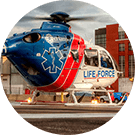
In cases where patients require specialized care that is not available at the nearest hospital, air ambulances play a vital role. Air ambulances can quickly transport critical patients to specialized care facilities, bypassing the delays associated with ground transportation routes and crowded ERs. This is particularly important for patients with severe trauma, stroke, or cardiac conditions, where every minute counts. By reducing the time it takes to get these patients to the appropriate level of care, air ambulances can significantly improve patient outcomes and overall satisfaction.

Longer wait times in emergency rooms can have a profound impact on patient experience and the overall healthcare system. Excessive wait times not only lead to worse patient experiences but also strain the EMS system and highlight the need for efficient air ambulance services to help alleviate system strains and ensure patients receive appropriate and timely care. By addressing these issues, healthcare providers can improve patient satisfaction, optimize resource utilization, and ultimately enhance the quality of care delivered to patients.

Financially preparing for air ambulance transport in the event of a medical emergency can give financial peace of mind. The country’s largest air ambulance membership provider, AirMedCare Network, can help alleviate worries about cost. From over 320 bases in 38 states, our members are not responsible for the costs of their care by our network providers at home or when they travel. Learn more about AirMedCare Network’s affordable household coverage for the unexpected air ambulance transport online.

You never know when a medical emergency will arise

Don't wait. Become a member today!

Frequently Asked Questions:

If an AirMedCare Network Provider does not transport you, you will be responsible for payment. Our membership program only covers transports provided by our affiliates.

There is no limit to the number of transports a member may take in a year. Each transport is handled the same way and must be an emergent or time-sensitive transport as determined by a physician (or other appropriate provider) or first responder unaffiliated with AMCN.

With an AirMedCare Network membership, any person or persons who reside under one (residential) roof are covered. In the event we have a member who lives in a duplex or apartment complex, we designate the primary member’s residence/address— that is considered the “one roof”. Undergraduate college students can be covered under their parent’s membership as well as anyone previously residing in the household who is then moved to a permanent care facility.